




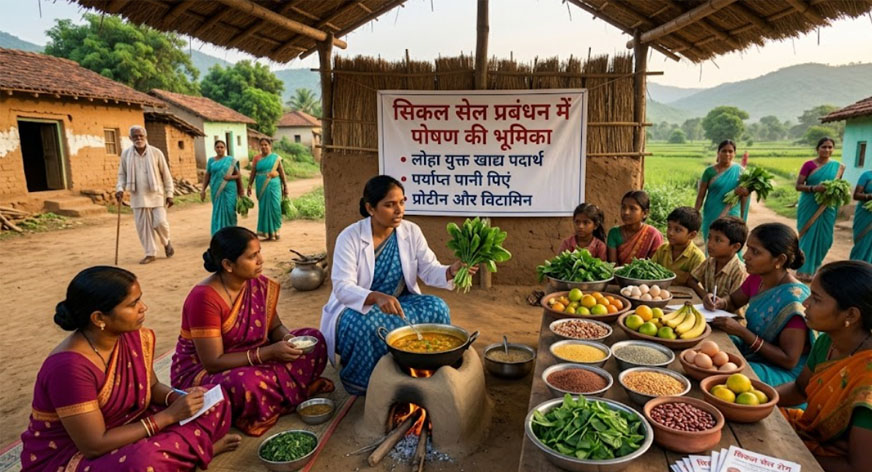
Managing Sickle Cell Disease is not limited to medical treatment alone; nutrition plays a vital and often overlooked role in improving the overall health and quality of life of patients. A well-balanced diet can help reduce complications, strengthen the immune system, and support the body’s ability to cope with the condition.
Individuals with Sickle Cell Disease often have higher nutritional requirements due to increased red blood cell turnover and frequent health complications. Therefore, a diet rich in essential nutrients becomes extremely important. Foods high in protein, such as pulses, dairy, and legumes, help in tissue repair and overall strength.
Micronutrients like folic acid, vitamins (especially B-complex and C), and minerals are crucial for maintaining healthy blood cells. Folic acid, in particular, supports the production of new red blood cells, which is essential for SCD patients. Fresh fruits, green leafy vegetables, and whole grains should be a regular part of the diet.
Hydration is another key factor. Dehydration can trigger sickle cell crises, leading to severe pain and complications. Patients are advised to drink adequate water throughout the day to maintain proper blood flow and reduce the risk of blockages.
However, maintaining proper nutrition can be challenging, especially in economically weaker communities. Limited access to nutritious food and lack of awareness about dietary needs often worsen the condition. This is where community-based interventions become important.
NGOs and healthcare programs can play a significant role by educating families about affordable and locally available nutritious food options. Simple dietary guidance can make a meaningful difference in managing the disease effectively.
In conclusion, while medicines are essential, proper nutrition acts as a strong support system in managing Sickle Cell Disease. A combination of medical care and healthy eating habits can greatly enhance the well-being of patients.