


Sickle Cell Disease (SCD) remains one of the most under-recognized public health challenges in India, despite affecting a significant population, especially in central and tribal regions. States like Madhya Pradesh, Maharashtra, Chhattisgarh, and Gujarat report a higher prevalence, yet awareness about the disease is still far from adequate.
One of the primary reasons for low awareness is the lack of health education at the grassroots level. In many rural and tribal communities, symptoms such as fatigue, body pain, or recurring fever are often misunderstood as common illnesses. As a result, individuals do not seek timely medical attention, and the disease goes undiagnosed for years.
Another major factor is the limited access to screening and diagnostic facilities. While urban areas may have better healthcare infrastructure, remote regions often lack basic testing services. Without early screening programs, especially among newborns and adolescents, identifying carriers and patients becomes extremely difficult.
Social stigma and cultural barriers also play a role. Since Sickle Cell is a genetic condition, families sometimes hesitate to discuss it openly due to fear of discrimination or social judgment. This silence further delays awareness and preventive action.
Additionally, there is a gap in consistent awareness campaigns. While government and non-government organizations have initiated programs, they are often limited in reach and continuity. Sustainable, community-based awareness efforts are still needed to create long-term impact.
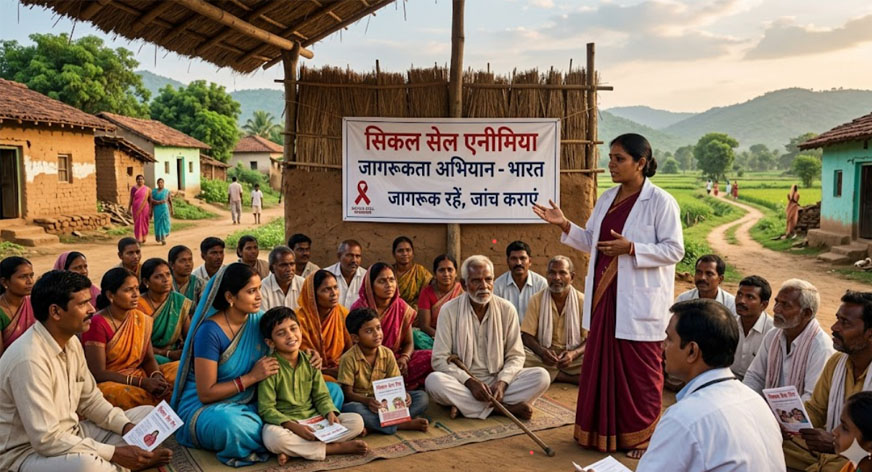
To truly address this issue, a combined effort is essential. Regular screening camps, school-level education, community engagement, and involvement of local health workers can significantly improve awareness. NGOs can play a crucial role by bridging the gap between healthcare systems and communities, ensuring that information reaches even the most remote areas.
Increasing awareness is not just about information—it is about saving lives through early detection, timely care, and informed decision-making.