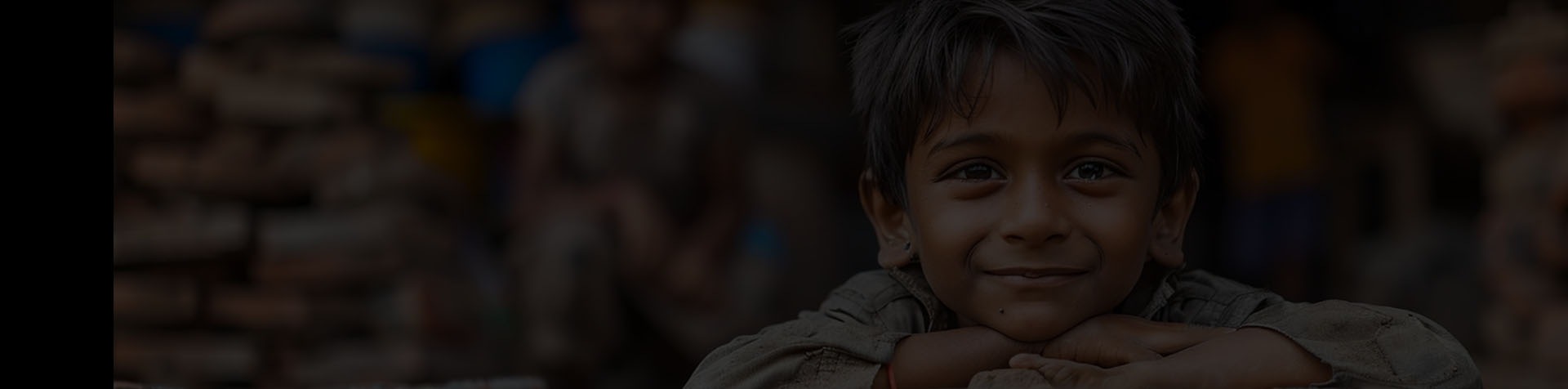


Healthcare in tribal regions of India presents a unique blend of traditional practices and modern medical systems. For generations, tribal communities have relied on indigenous knowledge, herbal remedies, and local healers for treating illnesses. While these traditional methods hold cultural significance and accessibility, modern healthcare offers scientific diagnosis and advanced treatment options.
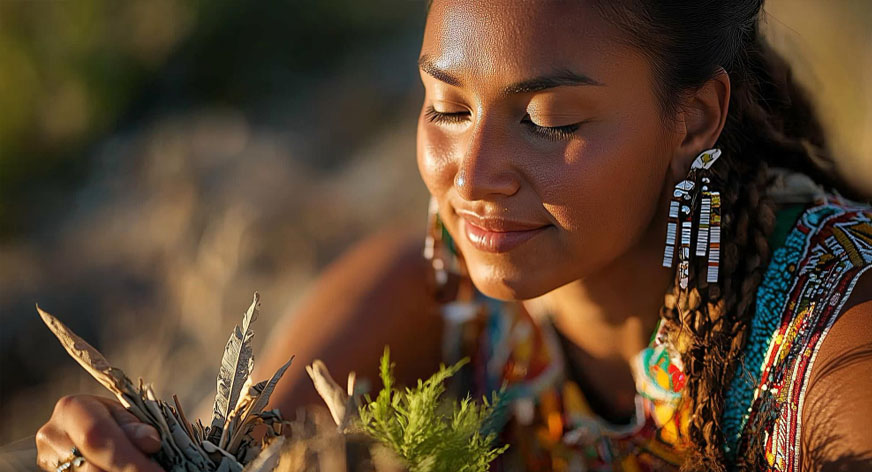
Traditional healthcare systems are deeply rooted in trust and community beliefs. Herbal medicines and natural therapies are often the first line of treatment because they are easily available and affordable. In many cases, these methods provide relief for minor ailments and are an integral part of the community’s way of life.
On the other hand, modern healthcare brings structured medical practices, accurate diagnosis, and effective treatment for serious conditions like Sickle Cell Disease, infections, and chronic illnesses. Hospitals, diagnostic tools, and trained professionals play a crucial role in improving health outcomes.
The challenge arises when there is a lack of balance between the two systems. In many instances, individuals rely solely on traditional methods even for serious health conditions, delaying proper medical intervention. This delay can lead to complications that could have been prevented with timely treatment.
Accessibility is another issue. Modern healthcare facilities are often located far from tribal areas, making it difficult for people to seek immediate care. Transportation, cost, and lack of awareness further widen this gap.
A more effective approach is to create a bridge between traditional and modern healthcare systems. Respecting cultural practices while gradually introducing scientific healthcare solutions can lead to better acceptance within communities.
NGOs play a vital role in this integration. By building trust within communities and conducting awareness programs, they can guide people on when to rely on traditional practices and when to seek medical help. Mobile health camps, local health workers, and continuous engagement can make modern healthcare more accessible and acceptable.
Ultimately, a balanced and inclusive approach that combines the strengths of both systems can significantly improve healthcare outcomes in tribal regions and ensure a healthier future for these communities.